Epoxy Flooring Types In Kenya: SL vs Polyurethane vs Metallic vs 3D
Understanding Epoxy Flooring Systems
Epoxy flooring is a protective layer applied over concrete surfaces. Different systems suit different needs. Choosing the right one depends on your location, climate, budget, and intended use.
SL Epoxy Systems
SL systems are self-leveling epoxies. They flow across the concrete surface and create a smooth, glossy finish.
Advantages
- Very smooth finish, ideal for showrooms and retail spaces
- High gloss appearance looks professional
- Easy to clean and maintain
- Moderate cost compared to other systems
Disadvantages
- Can be slippery, especially when wet
- Not ideal for wet areas without anti-slip additives
- Requires very clean, prepared concrete
- Can show footprints and dust easily
Best For
Retail spaces, offices, warehouses, and indoor showrooms in Nairobi and other urban areas where appearance matters.
Polyurethane Flooring
Polyurethane systems are harder and more durable than basic epoxy. They offer superior chemical resistance and flexibility.
Advantages
- Excellent chemical resistance for industrial use
- More flexible than epoxy, less prone to cracking
- Better UV resistance than epoxy alone
- Handles temperature changes better
Disadvantages
- More expensive than SL systems
- Longer cure time
- Requires skilled application
- Strong odor during installation
Best For
Industrial facilities, chemical storage areas, factories, and areas exposed to oils or harsh chemicals.
Metallic Epoxy Flooring
Metallic epoxy creates a decorative, reflective surface with depth and movement. The finish contains metallic pigments that create a three-dimensional effect.
Advantages
- Stunning visual appearance
- Creates unique, eye-catching finishes
- Good durability
- Protects underlying concrete
Disadvantages
- Most expensive option
- Requires specialist application
- Limited repair options if damaged
- Not suitable for all spaces
Best For
High-end retail, restaurants, hotels, showrooms, and commercial spaces in Nairobi and Mombasa where aesthetics are priority.
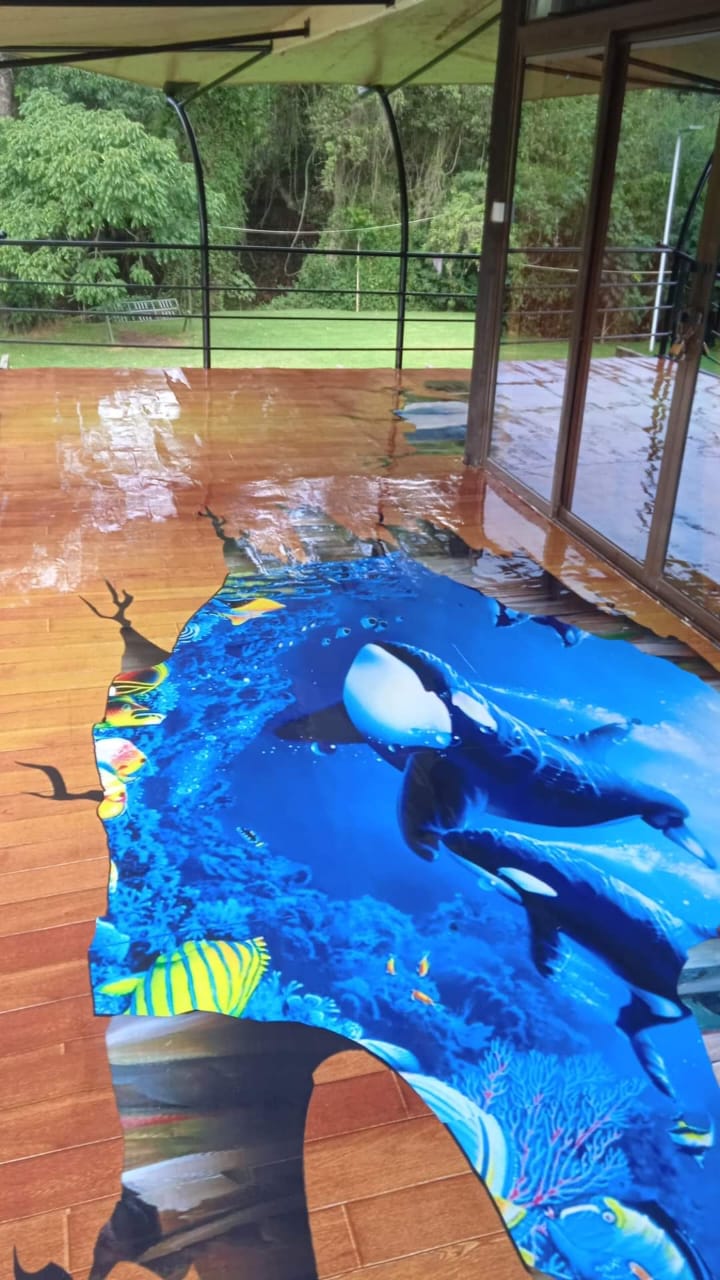
3D Epoxy Flooring
3D epoxy creates illusions of depth using embedded images or patterns under the epoxy layer. Creates dramatic visual effects.
Advantages
- Creates stunning visual effects
- Can feature custom designs or images
- Extremely durable
- Good for marketing and branding
Disadvantages
- Very expensive
- Requires expert installation
- Limited to specific design applications
- Takes longer to complete
Best For
Retail showrooms, hospitality venues, design studios, and premium commercial spaces where visual impact drives business.
Making Your Choice
Consider these factors:
- Location: Indoor or outdoor? Wet or dry?
- Traffic: Light foot traffic or heavy machinery?
- Climate: Nairobi's temperature swings? Coastal humidity?
- Budget: How much can you invest?
- Purpose: Aesthetic, protective, or both?
- Maintenance: How much upkeep can you manage?
Most projects in Kenya benefit from either SL epoxy for general commercial use or polyurethane for industrial applications. Metallic and 3D systems work best for premium spaces where budget allows.
Conclusion
Each epoxy system has its place. Get professional assessment of your concrete surface and intended use before deciding. Your flooring contractor should help you match the system to your needs and location.
About the Author
James Ochieng
Flooring Specialist