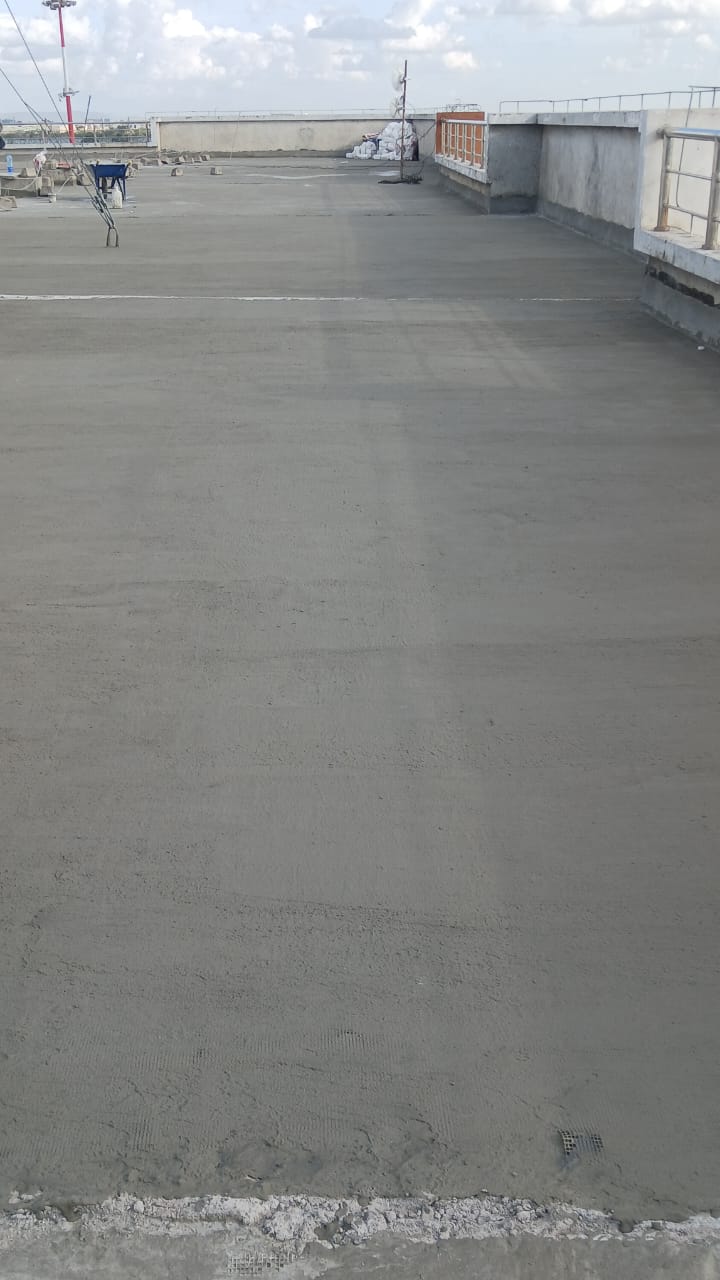
Waterproofing
Terrace Waterproofing Guide For Apartments In Nairobi
Complete guide to waterproofing apartment terraces in Nairobi. Protect your terrace from water damage and extend its lifespan with proper waterproofing methods.
6 min read
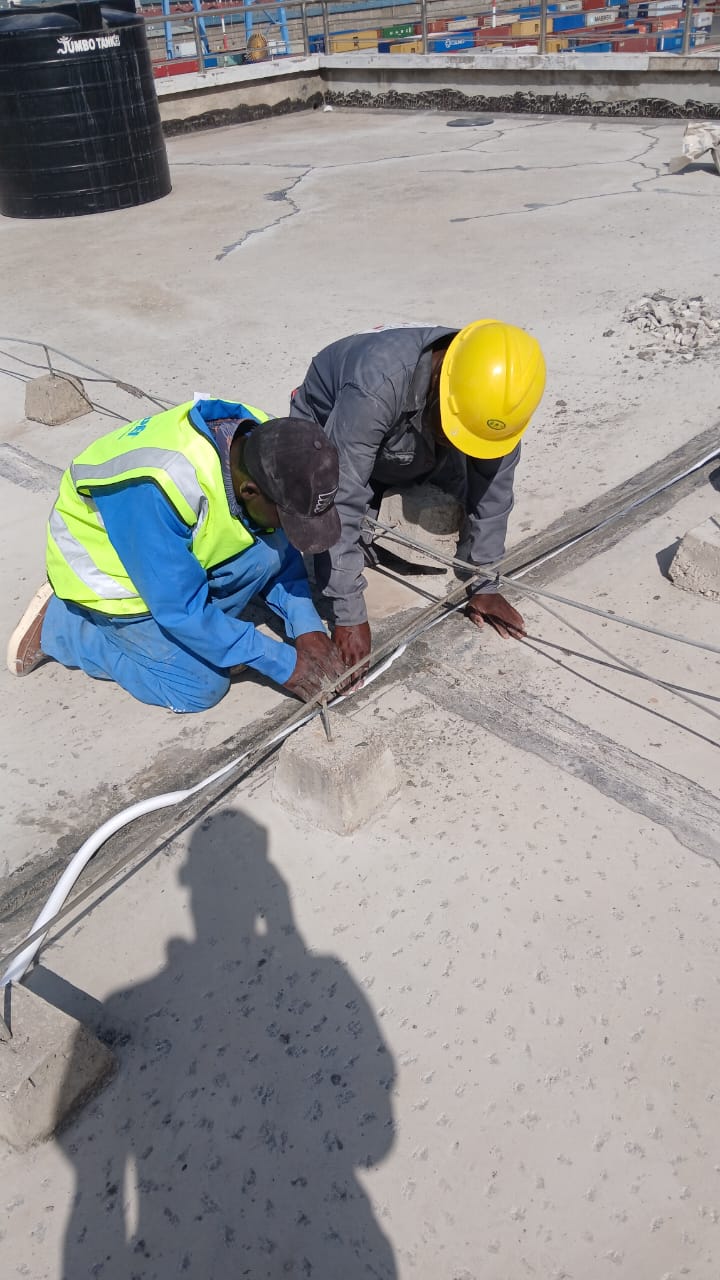
Basement dampness is a common problem in Kenya, especially in Nairobi, Kiambu, and Machakos. Water enters basements through cracks, poor drainage, or rising damp. Ignoring the problem leads to structural damage, mold, and expensive repairs.
Watch for these warning signs:
Heavy rainfall directs water toward your foundation. Poor drainage around the building allows water to accumulate. This is especially problematic during Kenya's rainy seasons.
Gutters and downspouts direct water too close to the foundation. Sloped ground pushes water toward the building instead of away from it. Clogged drainage systems fail to manage water properly.
Small cracks in walls or floors allow water to seep in. Concrete shrinks and cracks over time. Poor initial construction creates cracks immediately.
Water rises from the ground through capillary action. This happens when there is no proper damp proof membrane. It is common in older buildings.
Look at all basement walls and floors carefully. Identify where dampness is worst. Check if water appears during or after rain.
Place a plastic sheet on a damp area and tape all edges. Leave it for 24 hours. Condensation on the underside means indoor humidity. Moisture under the sheet means water from outside.
A qualified surveyor can identify the exact source and severity. They use moisture meters and specialized equipment. This is worth the cost before starting major repairs.
Remove items from the basement. This gives you access to all surfaces. It protects your belongings from water and chemicals.
Scrub all affected surfaces with a wire brush. Remove all loose concrete, paint, and debris. The surface must be clean for treatments to work.
Use concrete crack filler or hydraulic cement for small cracks. Larger cracks need injection with epoxy or polyurethane. This prevents water from entering through the crack.
Ensure gutters and downspouts direct water away from the building. Install French drains if water pools near the foundation. Grade the soil to slope away from the building.
Clean, dry walls and floors are ready for waterproofing. Apply damp-proof membrane or waterproof paint. Multiple coats provide better protection.
For serious dampness, install a proper DPM from ground level. This prevents rising damp permanently. It is the only long-term solution for rising damp.
Ensure the basement has adequate air flow. Install ventilation fans if needed. Good air circulation reduces moisture buildup.
Persistent dampness needs professional assessment. Structural cracks may indicate foundation problems. Water damage that keeps returning despite your efforts needs expert help. Most contractors in Nairobi can diagnose and fix basement dampness effectively.
Basement dampness is fixable. Early diagnosis saves money. Regular maintenance prevents problems. Professional help ensures the job is done right the first time.
Martin Kipchoge
Waterproofing Engineer